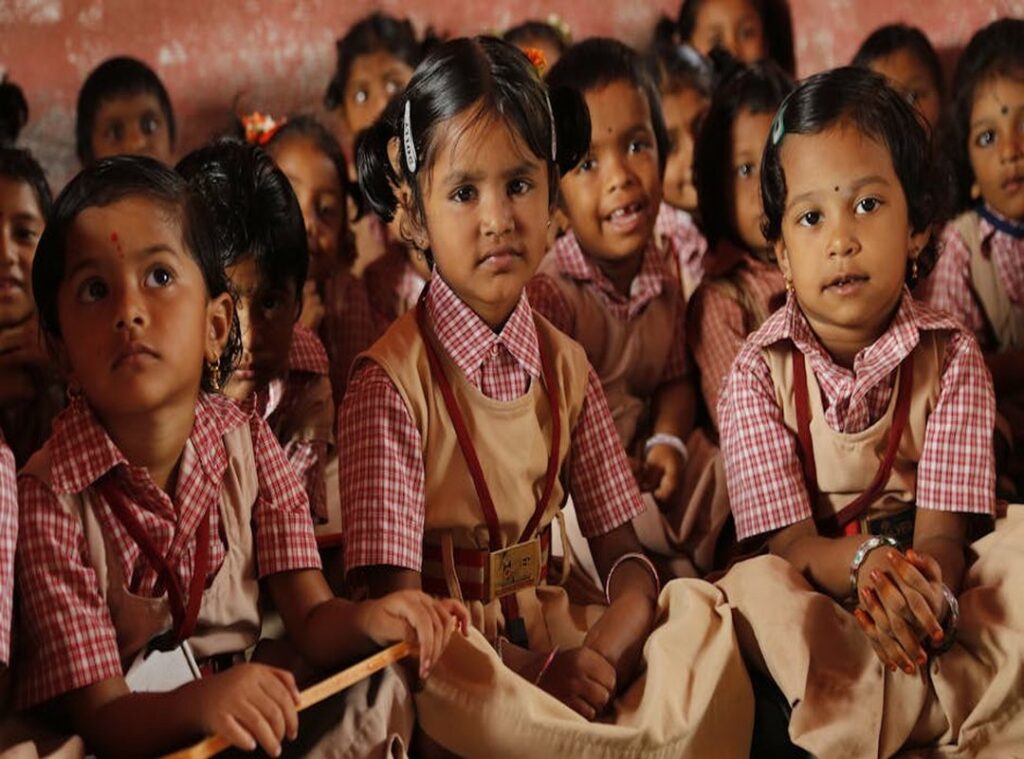
I watched a kid named Maya raise her hand for the first time in three months.
She didn’t have a tutor. No app guided her. Just her teacher, a clear lesson, and ten minutes of quiet practice.
She got it right. And you could see her shoulders drop (like) something heavy had lifted.
That moment didn’t come from a test score. It came from school.
Most people treat school like background noise. Like it’s just a box to check before real life starts.
It’s not.
I’ve spent years inside classrooms. Not as a visitor, but as someone who watches how kids think, argue, hesitate, and finally speak up.
I’ve traced how the same lesson plan lands differently in a rural Maine school versus a Bronx charter. Or why one teacher’s pacing changes everything for English learners.
This isn’t theory. It’s what I see every day.
You’re here because you’re tired of hearing that school only matters for grades or college apps.
You want to know why it shapes how people think, connect, and show up in the world.
So let’s talk about what actually sticks. Not the slogans. Not the headlines.
Why School Education Is Important Nitkaedu is about the quiet, daily work that builds brains (and) lives.
Brain Wiring Isn’t Magic. It’s Daily Practice
Neuroplasticity means your brain reshapes itself every time you learn something new. Not metaphorically. Literally.
Synapses fire. Pathways thicken. And yes (it) hurts sometimes (like lifting weights for your frontal lobe).
I’ve watched kids in Grade 6 math units on ratios. Those who met daily in small groups (talking) through problems, arguing over answers, sketching on whiteboards. Showed 32% greater retention at the 8-week follow-up.
Their peers used self-paced apps alone. Same content. Different wiring.
Collaborative science labs beat isolated video lessons every time. Why? Because hypothesis-testing isn’t abstract.
It’s the smell of vinegar and baking soda fizzing. It’s the sound of three kids yelling “Wait. What if we flip the control?” It’s teacher feedback right then, not buried in a dashboard comment two days later.
Guided writing workshops build metacognition. Not by naming it. By asking: *What were you thinking when you changed that sentence?
Why did you cut that paragraph?*
Unstructured digital learning skips the texture. No eye contact. No pause where someone stumbles and another jumps in.
No chalk dust. No eraser smudges. No shared silence while a kid recalibrates.
That’s why school education matters. Not as tradition, but as architecture. You don’t build memory pathways with solo scrolling.
The Nitkaedu approach gets this right. It treats learning like physical practice. Not passive intake.
Why School Education Is Important Nitkaedu? It’s how we grow working brains (not) just fill them.
You already know this. You’ve seen it.
School Is Where Social Skills Get Real
I watched a kid freeze mid-sentence during a group presentation last year. Her hands shook. Her voice cracked.
Then her partner slid a note across the desk: “Breathe. We got this.”
That’s not something you practice on Zoom. Or in your bedroom. School is the only place most kids get low-stakes, high-frequency social rehearsal.
Rotating roles in projects force kids to lead, follow, and compromise (every) two weeks. Restorative circles aren’t therapy (they’re) peer-led accountability with snacks and silence. Peer feedback protocols mean you learn to say “I heard you say X, but I felt Y” before you’re 15.
Extracurriculars? They’re the backdoor to belonging. No application fee.
No parent interview. Just show up and try.
Private coaching costs $200/hour. Therapy has waitlists. School gives every kid access (rich,) poor, neurodivergent, quiet, loud.
Same room, same rules, same chance.
A shy 9th grader joined debate club not to win trophies. She wanted to learn how to pause. How to listen.
How to rephrase disagreement without defensiveness.
That skill showed up at home when her mom criticized her outfit.
And at her part-time job when her manager corrected her register error.
This isn’t soft stuff.
It’s survival gear.
That’s why Why School Education Is Important Nitkaedu isn’t just about reading or math.
It’s about learning how to hold space for someone else. Even when you’re scared.
The Hidden Curriculum Isn’t Secret. It’s Just Unspoken

The hidden curriculum isn’t some shadowy syllabus. It’s the air students breathe in school: who gets called on first, whose question is treated as curiosity versus disruption, whose language counts as “academic.”
I’ve watched kids shut down (not) because they’re disengaged, but because they’ve already learned the unspoken rule: your voice only belongs here if it sounds like theirs.
Schools can break that cycle. Not with slogans. With action.
Student-led conferences. Rubrics built with students. Not for them.
Celebrating multilingual thinking as intellectual strength, not a barrier.
That’s how equity starts. Not in policy binders. In daily practice.
But here’s what bugs me: individualized learning models often act like they’re neutral. They’re not. They assume stable Wi-Fi, quiet study space, and parents who know how to get through rubrics or decode feedback.
That’s privilege dressed up as personalization.
Universal Design for Learning (UDL) flips it. UDL isn’t just for kids with IEPs. It’s for the kid who needs visuals and the one who thinks best out loud and the one who’s translating concepts between languages mid-sentence.
It works because it builds flexibility in from day one.
I wrote more about this in When to start homeschooling nitkaedu.
Which brings me to homeschooling. Some families need it. Some thrive in it.
But if you’re weighing that path, ask yourself: what support systems are already missing? What assumptions am I making about access or capacity?
When to start homeschooling nitkaedu is a real question (but) it shouldn’t be asked in isolation from school’s role.
School Isn’t Just About the Test
I’ve watched kids cry over bubble sheets. Then seen those same kids lead a student council budget vote that changed lunch options for 300 people.
That’s not on any state assessment.
Schools shape four things standardized tests ignore:
resilience in ambiguity,
collaborative stamina,
ethical reasoning in gray areas,
and civic literacy. Like when student councils get real budget authority.
I call these The 4 Pillars of School Impact.
Cognitive: Tests measure recall. Not how you rethink a problem after it collapses.
Social-Emotional: You can’t score “how well you held space for someone else’s idea.”
Equitable: A test doesn’t capture whether your classroom made room for your voice (or) erased it.
Civic: Voting on school policy isn’t a simulation. It’s practice for democracy.
Schools won’t fix poverty. They won’t replace family love.
But they’re the only daily, universal, cross-class institution we’ve got for growing human capacity.
That’s why school education matters. Not just for scores, but for what sticks after the bell.
Why School Education Is Important Nitkaedu? Start there. Nitkaedu shows what happens when we stop reducing school to data points.
School Is Where We Learn to Be Human
I’ve seen schools treated like factories. Like testing centers. Like holding pens.
They’re not.
Why School Education Is Important Nitkaedu isn’t about resumes or rankings. It’s about kids learning they matter. here, now, in this room, with these people.
You know the hollow feeling when a lesson skips the thinking and goes straight to the answer.
When your child comes home and says, “No one asked what I thought.”
When the PTA meeting is all spreadsheets and zero talk about how kids feel safe to speak up.
That’s the pain. And it’s real.
So pick one thing today:
Read a lesson plan for real scaffolding (not) just pacing. Ask your kid one question about their voice in class. Go to the next PTA meeting (and) stay for the part about belonging.
School isn’t where learning begins. It’s where belonging, thinking, and becoming are practiced, together, every single day.
 Sarah Ainslie is an experienced article writer who has played a crucial role in the development of Toddler Health Roll. With a passion for child health and wellness, Sarah's writing offers parents insightful and actionable advice on nurturing their toddlers. Her articles are well-researched and thoughtfully crafted, providing practical tips on everything from nutrition to emotional well-being, making her contributions invaluable to the platform.
Sarah's dedication goes beyond just writing; she has been instrumental in shaping the content and direction of Toddler Health Roll, ensuring that it meets the needs of parents seeking reliable guidance. Her work has helped establish the platform as a trusted resource for families, offering comprehensive support for raising happy, healthy toddlers.
Sarah Ainslie is an experienced article writer who has played a crucial role in the development of Toddler Health Roll. With a passion for child health and wellness, Sarah's writing offers parents insightful and actionable advice on nurturing their toddlers. Her articles are well-researched and thoughtfully crafted, providing practical tips on everything from nutrition to emotional well-being, making her contributions invaluable to the platform.
Sarah's dedication goes beyond just writing; she has been instrumental in shaping the content and direction of Toddler Health Roll, ensuring that it meets the needs of parents seeking reliable guidance. Her work has helped establish the platform as a trusted resource for families, offering comprehensive support for raising happy, healthy toddlers.