Why It Matters Now
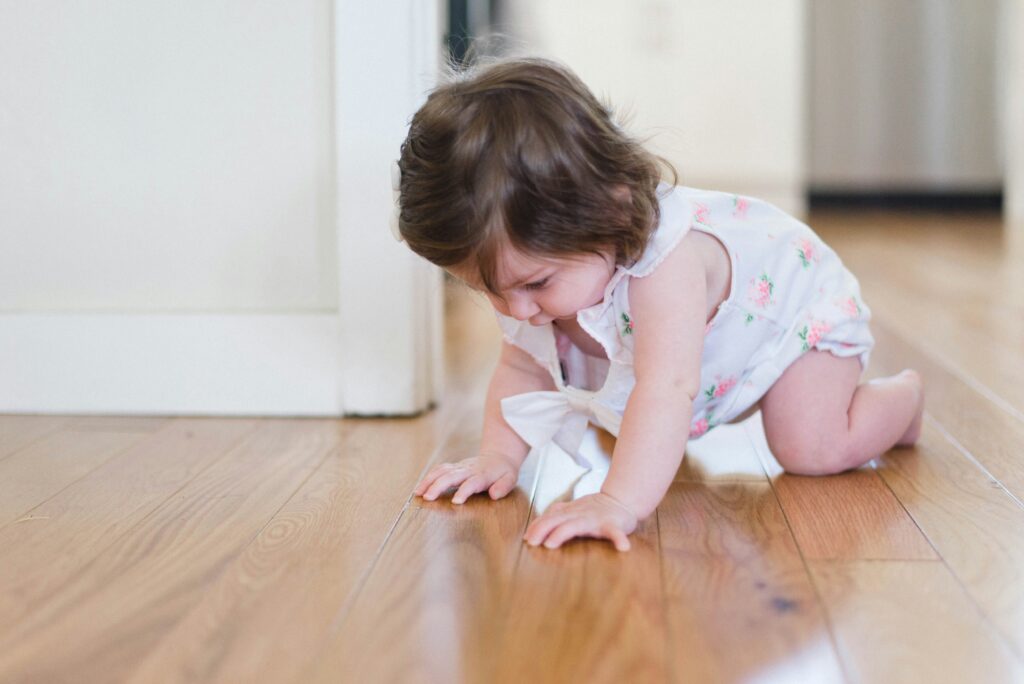
Toddlers aren’t just cute chaos machines they’re people learning how to navigate their world. And the earlier they get the chance to try things on their own, the more capable they feel. That spark of independence? It matters. A kid who learns they can pour their own water or zip their own coat isn’t just gaining a skill they’re building belief in themselves.
Letting toddlers do things themselves doesn’t mean you’re rushing them into adulthood. It means stepping back just enough so they can step forward. With each small success whether it’s putting on a sock or choosing a snack they’re forming the confidence and resilience they’ll need later. You give them space, they find direction.
It’s not always smooth. But it is worth it.
Recognizing the Right Time to Step Back
Letting go at the right moment is one of the most powerful gifts you can give your toddler. It’s not just about encouraging independence it’s about recognizing when your child is ready to take the lead in everyday moments.
Signs Your Toddler is Ready
Watch for these small but important cues that your toddler may be ready to do more for themselves:
They show curiosity about how things work (e.g., trying to zip a jacket or pour water)
They resist help or say, “I do it!”
They imitate your daily actions like sweeping, dressing, or cooking
They can follow one or two step instructions
These signals suggest your child wants to try and it’s the perfect time to let them.
Age Appropriate Milestones
Every toddler develops at their own pace, but here are some general milestones that indicate readiness:
By 18 24 months:
Feeding themselves with a spoon or fork
Helping put toys away
Choosing between two clothing options
By 2 3 years:
Attempting to dress with minimal help
Helping wash hands or brush teeth
Carrying small items to the table or laundry basket
By 3 4 years:
Dressing independently (buttons and zippers may still need practice)
Putting on shoes
Cleaning up spills with a towel or sponge
Remember, success isn’t the goal trying is. Allowing them to fumble through and experience small wins builds resilience.
Balancing Support with Stepping Aside
Supporting independence doesn’t mean walking away. It means being nearby, offering encouragement, and stepping in only when needed.
Here’s how to find that balance:
Offer guidance without taking over. Try: “Want help getting started?” instead of doing it for them.
Let them struggle a little. Frustration is part of learning; stay close, but resist the urge to fix it right away.
Celebrate the effort. Focus on how they tried, not just on the finished result.
The sweet spot is active observation being present without hovering. Toddlers learn confidence not just by doing things, but by knowing you’re there to cheer them on when they try.
Simple Ways to Encourage Self Reliance Daily
Fostering independence doesn’t require elaborate systems or major lifestyle changes. The secret lies in the small, everyday moments that help toddlers build confidence and skills. Here are some simple, effective ways to encourage self reliance in your child’s daily routine:
Let Them Choose Their Outfit
Yes, even if it means leaving the house with mismatched socks and a superhero cape. Offering outfit choices empowers your toddler to make decisions and express themselves.
Provide limited, weather appropriate options to avoid overwhelm
Expect creative combinations focus on independence, not fashion
Resist the urge to “fix” their choices unless absolutely necessary
Turn Routines Into Learning Moments
Daily habits like brushing teeth or clearing the table offer great opportunities for practice and skill building.
Encourage participation in small chores with simple instructions
Make routines predictable so toddlers know what to expect
Turn transitions (e.g., getting ready for bed) into step by step games
Ask Open Ended Questions
Prompt thinking and participation rather than relying on commands.
Instead of: “Do you want to brush your teeth?” try: “What do we do after dinner?”
Use: “Can you show me how?” or “What happens next?”
Give them a chance to respond and think things through
Break Tasks Into Toddler Sized Steps
What looks simple to an adult can feel enormous to a toddler. Making tasks manageable helps them succeed.
Use visual prompts (pictures, routines charts)
Demonstrate once, then let them try
Offer just enough help when they get stuck, then step back again
By embedding self reliance into daily activities, you’re teaching your child that they’re capable one small step at a time.
Creating a Yes Space
Toddlers don’t gain independence just because we tell them they can. The space around them either helps or holds them back. Tall counters, heavy doors, and out of reach items send a clear message: “You’re not ready.” But a well set environment says the opposite it quietly encourages them to try, to reach, to do.
Start with layout. Keep essentials low and within arm’s reach: a basket of clothes they can choose from, a step stool by the sink, hooks at toddler height for jackets. Avoid clutter. When a space is too jammed, decision making and movement become frustrating, not empowering.
Tools matter too. Think child sized utensils, a learning tower for kitchen tasks, or soft close drawers to avoid finger pinches. Use unbreakable dishes and lightweight materials that won’t scare you or them. The point isn’t to cushion all mistakes but to create a zone where trying and failing is safe.
The simpler and more accessible the setup, the more brainpower they can spend on learning, not navigating barriers. Freedom to move, reach, and choose builds confidence over time.
What to Say (and What to Skip)
Words matter but they don’t have to be fancy. A simple, “You’ve got this” can go a long way when your toddler is struggling to zip up a jacket or pour their own water. Another solid option: “Show me how you do it.” These phrases tell a toddler loud and clear: “I believe in you.”
What doesn’t help? Taking over too fast, or framing their attempts as failures. It’s tempting to jump in with corrections, but confidence is built through trying, not perfection. Instead, offer options that reduce tension. Say, “Do you want the blue cup or the green one?” rather than, “Just drink it already.” Real choices give kids a sense of control and fewer meltdowns.
When it comes to praise, skip the “You’re so smart” routine. That kind of label puts pressure on performance. Aim for feedback like, “You worked really hard to figure that out.” It reinforces effort, which is what sticks in the long run. Toddlers don’t need perfection they need to know that trying matters.
When It Gets Messy or Takes Too Long
Let’s be honest letting toddlers do things themselves isn’t fast or clean. The shirt goes on backward. Water ends up on the floor. They insist on doing it their way, even if it takes triple the time. And that’s fine. Perfect doesn’t matter here. What matters is that they’re trying, learning, becoming more capable each time.
Staying patient is part of the deal. Deep breaths help. So does adjusting your expectations. Think of it this way: you’re not running late you’re raising a kid who believes they can handle life. That’s a much bigger win than getting out the door two minutes faster.
Progress beats perfection every time. Today’s messy sock attempt is tomorrow’s full outfit. Independence takes root in the small moments when we let go, offer a hand only when it’s really needed, and let them own the result even when it’s wobbly.
Build It Into Everyday Life
Independence doesn’t just happen during special moments it builds through repetition. When picking out clothes, loading the dishwasher, or zipping up their jacket, toddlers are looking for signals: is this something I can try? Your job isn’t to micromanage every move it’s to create a rhythm where trying is the norm.
The trick is consistency. Don’t wait for the weekend to let them pour their own cereal. Do it on an average Tuesday. Let them climb into their car seat every time, not just when you’re feeling patient. The more often kids see opportunities to do things themselves, the less of a “big deal” it becomes. Independence stops being an event and starts becoming how your family rolls.
For more practical tips, check out More independence tips for kids.
 Hazeliin Davidsoninn, the founder of Toddler Health Roll, is an insightful article writer with a passion for children's health and well-being. Her writing reflects a deep understanding of the challenges parents face when raising toddlers, offering practical advice grounded in the latest pediatric research. With a keen eye for detail and a compassionate approach, Hazeliin's articles provide parents with the tools they need to nurture their children's physical, mental, and emotional health.
Beyond her expertise in child health, Hazeliin's writing also delves into the complexities of toddler nutrition, travel with young children, and effective parenting strategies. Her dedication to sharing valuable knowledge with her readers has made Toddler Health Roll a trusted resource for parents seeking guidance on raising happy, healthy toddlers.
Hazeliin Davidsoninn, the founder of Toddler Health Roll, is an insightful article writer with a passion for children's health and well-being. Her writing reflects a deep understanding of the challenges parents face when raising toddlers, offering practical advice grounded in the latest pediatric research. With a keen eye for detail and a compassionate approach, Hazeliin's articles provide parents with the tools they need to nurture their children's physical, mental, and emotional health.
Beyond her expertise in child health, Hazeliin's writing also delves into the complexities of toddler nutrition, travel with young children, and effective parenting strategies. Her dedication to sharing valuable knowledge with her readers has made Toddler Health Roll a trusted resource for parents seeking guidance on raising happy, healthy toddlers.