Why Travel Works for Little Learners
Educational travel isn’t reserved for school aged kids preschoolers thrive when given the chance to explore beyond their daily routines. Thoughtfully planned trips can help lay the groundwork for key developmental skills while fostering a love of learning.
Early Exposure Builds Curiosity
Introducing children to new places sparks wonder and exploration. When preschoolers encounter fresh sights, languages, and customs, their brains light up with questions and ideas. This early exposure helps them:
Develop a broader understanding of the world beyond their immediate environment
Grow a natural curiosity for how things work or differ from home
Build early language skills through new words, signs, and speech patterns
Learning Through the Senses
Young children learn best by doing, feeling, and seeing. Travel provides multisensory experiences that can reinforce key concepts introduced at home or in preschool.
Touching new textures (sand at the beach, bark in a forest)
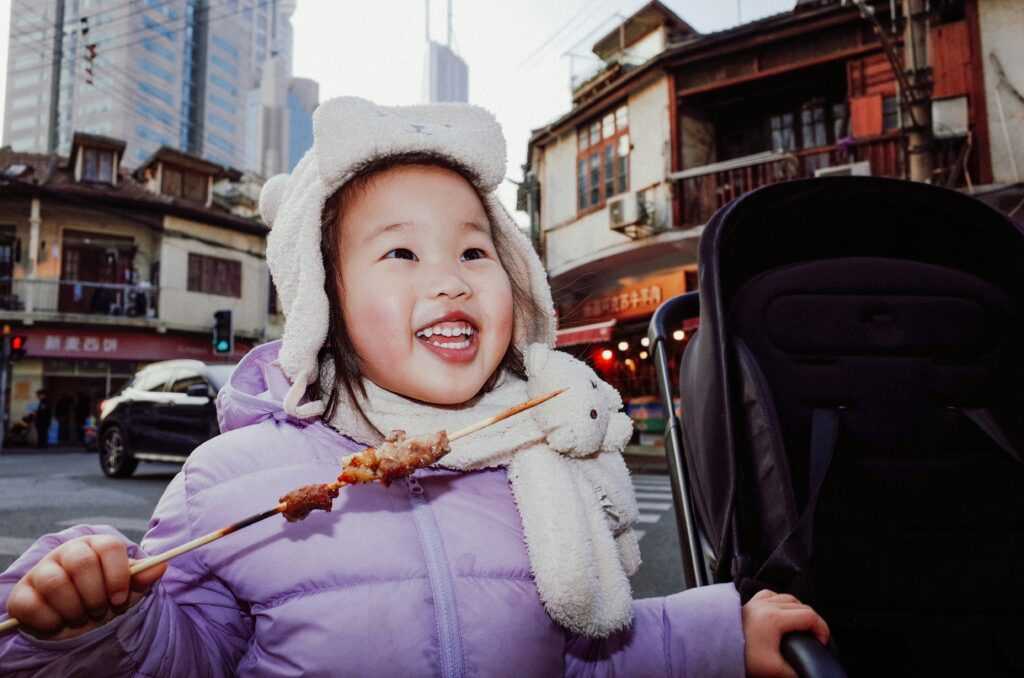
Tasting regional foods helps with openness and vocabulary growth
Seeing shapes, colors, and movement in novel settings stimulates brain connections
Social and Emotional Growth
New environments challenge kids to adapt while encouraging interaction with others. From waiting in lines to greeting strangers, travel teaches valuable real world social skills.
Encourages flexibility and patience when routines shift
Offers opportunities to interact with diverse people and children
Supports emotional resilience by overcoming new or uncertain situations
Every trip whether across the world or just a few hours away can be a meaningful step in a child’s early development. The key is to stay mindful of pace, purpose, and the power of play.
Washington, D.C. Early History and Hands On Museums
Washington, D.C. offers a unique mix of history, nature, and interactive learning, perfect for sparking young curiosity.
Top Spots for Preschool Learning:
National Museum of Natural History
Home to towering dinosaur fossils, insect exhibits, and touchable collections sized right for small hands. It’s a no pressure space for imaginative conversations and early science talk.
U.S. Botanic Garden
A wonderland of colors, textures, and smells. Children can experience plants from around the world in a space designed to activate sensory learning.
Outdoor Exploration
Wide open green spaces around the National Mall invite active play and natural discovery. Walking between museums becomes part of the educational journey.
San Diego, California Nature Meets Imagination
San Diego balances playful sunshine with rich, real world learning experiences that make science and wildlife come alive.
Must Visits for Families with Little Learners:
San Diego Zoo
One of the world’s most famous zoos, this spot offers face to face engagement with animals, teaching kids about habitats, diets, and environmental care through observation and fun facts.
Birch Aquarium
Ocean discovery made simple: brightly lit tanks, small scale exhibits, and kid friendly staff help introduce marine life and water ecosystems in a way toddlers can grasp.
Beaches and Tide Pools
Outdoor classrooms don’t get better than this. Low tide reveals marine creatures, shells, and natural patterns perfect for hands on discovery.
Keep the pace flexible, mix structured visits with spontaneous beachside exploration, and let curiosity drive the day.
Amsterdam, Netherlands Storytelling Across Cultures
Amsterdam invites young minds into a bright, story filled city where culture, science, and community spaces blend seamlessly.
Educational Highlights:
NEMO Science Museum
Colorful, experimental, and full of multi sensory zones. Little ones can explore water engineering, light, sound, and even basic physics through touch and learn stations.
Vondelpark
More than a park it’s a creative hub. Toddlers can stretch their legs, attend kid friendly performances, and see how public spaces encourage multicultural gathering and play.
Canal Tours
A relaxing way to experience geography in action. Kids can spot bridges, boats, and buildings while learning about city structure from a new perspective.
Kyoto, Japan Nature, Culture, and Calm
Japan’s ancient capital is a gentle destination filled with natural beauty and age appropriate cultural moments.
Highlights for Preschool Travelers:
Bamboo Forests & Gardens
Places like Arashiyama Bamboo Grove and various Zen gardens are not only beautiful they’re opportunities to engage children’s senses in peaceful, mindful exploration.
Hands On Traditions
Toddlers can watch or join in with activities like simple tea ceremonies, origami folding, or greeting in Japanese. It’s cultural exposure made tangible.
Safe Travel and Accessibility
Stroller friendly paths, clean public transport, and a calm public atmosphere make Kyoto a parent approved city for little ones.
Singapore Urban Planning and Multicultural Learning
Singapore combines structure, safety, and a rich fusion of cultures delivering lively lessons tucked into every block.
Kid Friendly Learning Locations:
Singapore Science Centre
Tailored to young minds with hands on exhibits, digital play zones, and open ended activities that encourage wonder and experimentation.
Gardens by the Bay
Kids can explore climate zones, eco systems, and plant life in themed domes and outdoor installations. It’s learning through bold color and beautiful design.
City Navigation Made Easy
Public transport is simple and safe. Multilingual signs, friendly locals, and clear systems help preschoolers feel included and capable of following along.
Singapore transforms everyday travel logistics into teachable moments from street food etiquette to cross cultural celebration.
Tips for Making the Most of the Experience
When traveling with preschoolers, less really is more. Keep daily plans short and flexible. Young kids don’t need a full itinerary they need space to wander, observe, and ask questions. A morning at one museum or garden is plenty. Save energy (and patience) by giving them wide windows to explore, even if that just means watching ducks or chasing shadows.
Build moments that balance play with learning. If you’re headed to a science center, let them go wild pushing buttons and climbing through exhibits but also stop for a brief chat about what they see. Turn a garden walk into a bug hunt. Bring picture books that match the theme of the day. It doesn’t need to be formal. Purpose sneaks in when kids connect what they do with what they know.
Involve children in the planning even before you leave. Show them pictures of your destination, simple maps, or videos about where you’re going. Talk through what they might see or try. Give them some ownership over the trip, even if it’s choosing between two activities. It makes everything feel more familiar when they arrive.
When it’s all done, make time to look back. Flip through photos together. Ask what they remember or liked best. Let them draw something they saw. These small reflections help lock in the learning and turn the trip into a story they’ll hold onto.
For more ways to make travel a powerful teaching tool, see how to make travel educational.
 Sarah Ainslie is an experienced article writer who has played a crucial role in the development of Toddler Health Roll. With a passion for child health and wellness, Sarah's writing offers parents insightful and actionable advice on nurturing their toddlers. Her articles are well-researched and thoughtfully crafted, providing practical tips on everything from nutrition to emotional well-being, making her contributions invaluable to the platform.
Sarah's dedication goes beyond just writing; she has been instrumental in shaping the content and direction of Toddler Health Roll, ensuring that it meets the needs of parents seeking reliable guidance. Her work has helped establish the platform as a trusted resource for families, offering comprehensive support for raising happy, healthy toddlers.
Sarah Ainslie is an experienced article writer who has played a crucial role in the development of Toddler Health Roll. With a passion for child health and wellness, Sarah's writing offers parents insightful and actionable advice on nurturing their toddlers. Her articles are well-researched and thoughtfully crafted, providing practical tips on everything from nutrition to emotional well-being, making her contributions invaluable to the platform.
Sarah's dedication goes beyond just writing; she has been instrumental in shaping the content and direction of Toddler Health Roll, ensuring that it meets the needs of parents seeking reliable guidance. Her work has helped establish the platform as a trusted resource for families, offering comprehensive support for raising happy, healthy toddlers.