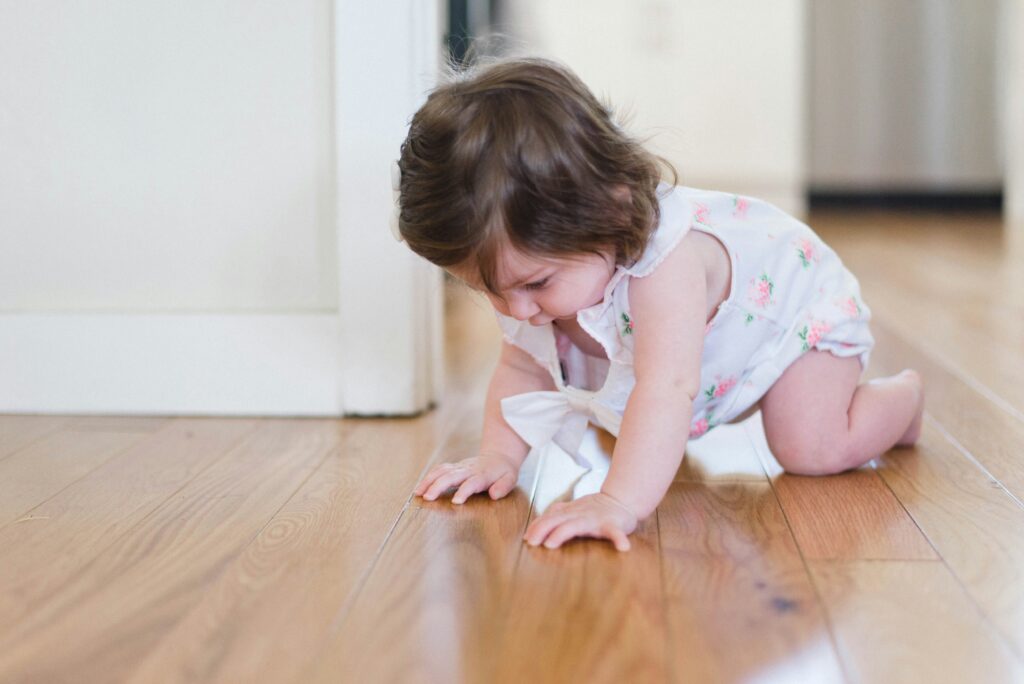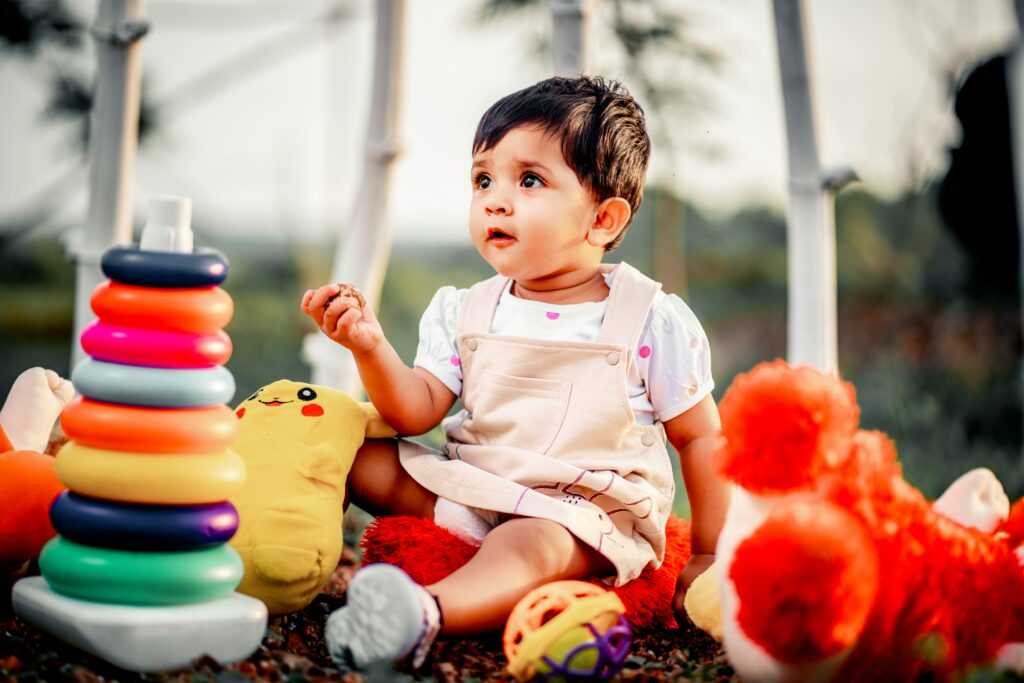
Nothing is more satisfying for parents than seeing a toddler learn something new. One day they’re saying their first word, and the next thing you know they’re asking all kinds of questions about everything around them. Toddlers are naturally curious and the first few years are a great time to nurture learning in simple and fun ways.
The good news is it doesn’t take expensive toys or rigid lessons or complicated routines to help toddlers learn. Most of the learning occurs naturally through play, conversations, stories, music and daily activities. There are so many little moments in a day that can be great learning experiences.
Toddlers Learn Best Through Play
Young children are not built to sit still and study for long periods of time. They learn by touch, by movement, by exploration and repetition. Your child learns more about her world through simple games and toddler activities.
Things like stacking blocks are good for teaching balance and coordination. Sorting toys by color groups helps with thinking skills. Dolls or toy kitchens let children role-play and learn about feelings and communication. Even singing silly songs together can help with memory and language development.
Parents often worry about “teaching” their toddlers, but the truth is that play itself is one of the best teachers.
Choosing Montessori toys enhances this natural process by providing simple, open-ended tools that invite children to explore their world and build essential developmental skills through everyday discovery.
Special Learning Moments Come from Reading Together
Reading to toddlers isn’t just about reading books. It’s a bonding experience that helps kids develop vocabulary, imagination and listening skills.
Toddlers love bright pictures, funny sounds, and repeated words. They enjoy hearing the same stories over and over again, as repetition aids in their learning of new words and comprehension of sentence structures.
You don’t have to read perfectly. Make story time more interactive and exciting by using different voices, asking questions or having your child point to pictures.
Many parents go online for fun stories that young children will find easy to enjoy. Sites such as Kids World Fun have a huge amount of kid-friendly content. Their collection of short stories for kids is especially useful for parents who want to find easy and interesting stories to read to toddlers at home.
Songs and Rhymes Help Kids Remember Better
Most toddlers are born music fans. They love to clap and dance and jump and say catchy rhymes. Nursery rhymes and action songs might seem simple but they really help children develop memory, pronunciation and listening skills.
Songs with actions are even better, toddlers learn by moving. Easy ways to improve coordination and focus are jumping, touching toes or clapping hands while singing.
Parents can incorporate music into daily activities such as bath time, playtime or bed time. Just a few minutes of learning together, and learning becomes fun and stress free.
Outdoor Play is as Important as Indoor Learning
More than ever before, children are spending a lot of time indoors today. Playing outside is very important for a toddler’s physical and emotional growth.
Running, climbing and outdoor adventures build muscle and balance. Getting outside in the fresh air and nature is good for your emotional well-being and stress reduction.
Even simple outdoor activities can be learning opportunities. On walks parents can count flowers, name colours, collect leaves or talk about animals and birds. Toddlers learn best by being involved in experiences, not by watching screens.
Creative Activities Help to Build Confidence
Toddlers like to make things even if the results look messy to adults. Drawing, coloring, finger painting and playing with clay are wonderful for fine motor skills and creativity.
Creative activities also allow children to express feelings and ideas that they may not have the words for yet. The goal is not perfection. The important thing is to let your toddler explore and have fun.
Parents should reward effort not neatness or correct results. If a child feels confident to try new things, they are more likely to stay curious and eager to learn.
Learning Can Happen in Everyday Routines
One of the best ways to help toddlers learn is to include them in daily activities. Life skills are mostly learnt through everyday situations.
Cooking together is a great way to teach toddlers to count, as well as learn vocabulary. Grocery shopping can teach you about colors, fruits and shapes. Cleaning up toys is a lesson in responsibility and organization.
Even the talking stuff. “Talking to toddlers all day helps build communication skills. Simple questions like “Which toy do you want?” or “Can you find the red ball?” stimulate thought and language development.
Children learn so much just from hearing how adults speak and interact.
Learning is Fun with Educational Games
Games, not formal lessons, are the best way for toddlers to learn. Simple puzzles, matching games and alphabet games can all help to build up concentration and problem solving skills without making learning seem like a chore.
Parents can also link offline activities with safe online educational resources. Interactive learning materials, printable activities and child friendly exercises can add to the fun of home learning.
English learning activities for children are an entertaining educational resource for families, providing fun exercises and activities in an interactive way that help young learners improve their vocabulary and communication skills.
Limit Screen Time
Educational videos and apps can be useful, but too much screen time can affect toddler sleep, attention span and social interaction.
Usually, experts recommend a combination of screen time, physical play, storytelling, outdoor activity and family engagement. Toddlers learn best when they are active and not sitting watching a screen.
If parents do permit screen time, choosing high-quality educational content and watching together can help make it a more meaningful experience.
All Children Learn in Their Own Time
Parents should remember that children develop at different speeds. Some toddlers start talking early, but some may want physical activities first. Comparing children too much can cause unnecessary stress.
The best way to achieve this is to create a loving and supportive environment where the toddler feels safe to explore and learn at his/her own pace. Encouragement, patience and regular interaction are so much more important than pushing academic skills too early.
Abstract
Toddlers don’t need fancy learning programs to learn and grow. Often, the most important lessons come from the little, day-to-day interactions with parents and caregivers.
Toddlers can naturally develop important life skills through reading stories, singing songs, playing outside, talking to toddlers during routines and fostering creativity. Most importantly, these activities create memories and strengthen the bond between parents and children.
When learning is fun, toddlers build confidence, curiosity and excitement to discover the world around them.
 Cynthian Holleyori is a skilled article writer who has been integral to the development of Toddler Health Roll. Her deep understanding of child health and development is evident in her well-researched and practical articles, which provide parents with essential guidance on raising healthy toddlers. Cynthian's contributions have significantly shaped the platform, ensuring that it addresses the most pressing concerns of parents and caregivers.
Beyond her expertise in toddler health and nutrition, Cynthian also delves into the mental and emotional well-being of young children. She offers valuable parenting strategies that help families foster a nurturing and supportive environment for their toddlers. Her dedication to building Toddler Health Roll has made it a trusted and comprehensive resource for parents committed to their children's growth and happiness.
Cynthian Holleyori is a skilled article writer who has been integral to the development of Toddler Health Roll. Her deep understanding of child health and development is evident in her well-researched and practical articles, which provide parents with essential guidance on raising healthy toddlers. Cynthian's contributions have significantly shaped the platform, ensuring that it addresses the most pressing concerns of parents and caregivers.
Beyond her expertise in toddler health and nutrition, Cynthian also delves into the mental and emotional well-being of young children. She offers valuable parenting strategies that help families foster a nurturing and supportive environment for their toddlers. Her dedication to building Toddler Health Roll has made it a trusted and comprehensive resource for parents committed to their children's growth and happiness.