How Mindfulness Supports Healthy Brain Development
Mindfulness isn’t just a trend it’s a vital part of how young brains learn to process the world. For children just beginning to explore emotions and experiences, mindfulness activities help shape long term cognitive and emotional health.
Emotional Regulation from the Start
Children often experience strong emotions without the tools to process them. Mindful activities like guided breathing or sensory focus give them the framework to pause and reset.
Encourages a calmer response to stress or frustration
Helps children recognize their feelings before acting on them
Builds emotional vocabulary and self awareness
Focus in a Noisy World
Today’s children grow up surrounded by distractions, from digital devices to busy classroom environments. Practicing mindfulness regularly can lead to improved concentration and longer attention spans.
Strengthens focus in both quiet and high stimulation settings
Improves listening skills and task completion
Supports readiness to learn in school environments
Building Strong Neural Pathways
Kids’ brains are rapidly developing and the habits they learn early matter. Practicing mindfulness helps shape the brain’s architecture in ways associated with empathy, resilience, and emotional balance.
Reinforces neural networks that support emotional resilience
Encourages the development of empathy and compassion
Supports healthy brain development through consistent behavioral patterns
Emotional Tools for Big Feelings
Big feelings come fast for young kids. One moment, they’re fine; the next, everything’s falling apart over the wrong color cup. Mindfulness gives kids something solid to grab onto in those moments. Simple techniques like deep breathing or a short body scan aren’t magic, but they’re powerful tools. They slow the system down. They reset the brain in real time.
It starts by teaching kids to pause. That small break just a breath or two is game changing. Over time, kids begin to name what they’re feeling instead of acting it out. That shift from reaction to recognition builds self awareness, which is the foundation for emotional regulation.
The payoff comes with consistency. When mindfulness is part of daily life not just break glass in case of meltdown it rewires how kids respond. Tantrums become shorter, fewer. Outbursts lose steam. More peace, fewer power struggles. Mindfulness gives them tools. Not tricks, not distractions. Just tools that work.
Mindfulness at Play

Mindfulness doesn’t need to happen on a cushion or in total silence. For kids, it often works best when it slips into play. A simple game of tag becomes more than running it becomes awareness of breath, movement, and the space between friends. Adding mindful prompts like “notice your heartbeat” or “pause and listen” encourages children to slow down and tune in, even in motion.
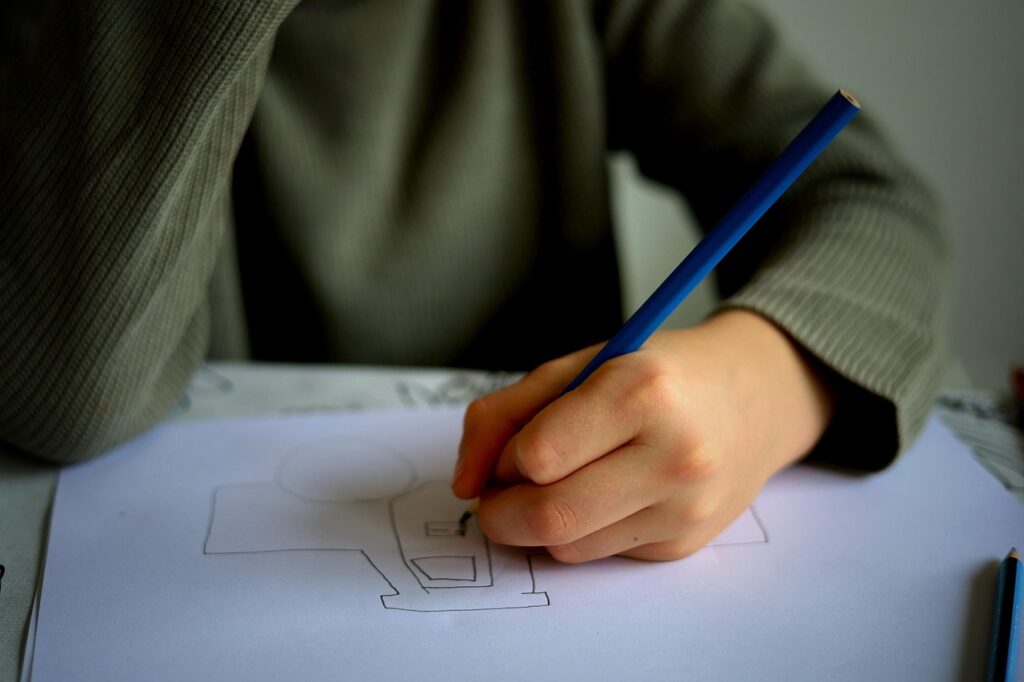
In creative play drawing, building, role playing mindfulness builds attention to detail and emotional insight. Kids start to notice how their actions impact others, how they feel in the moment, and how to respond rather than react. Peer connection deepens when children play with presence. Conversations get richer. Empathy grows.
Turns out, emotional intelligence isn’t just taught it’s practiced. By weaving mindfulness into everyday play, we help young brains grow more self aware and socially aware at once. And for a closer look at how play fuels emotional development, check out this deeper dive: play and emotional growth.
Classroom and Home Benefits
In both classrooms and homes, mindfulness isn’t just hype it’s practical. Teachers are seeing real changes: fewer disruptions during lessons, smoother transitions between activities, and kids who can self regulate better in high energy moments. For schools dealing with post pandemic adjustment and rising attention challenges, that’s not a small win.
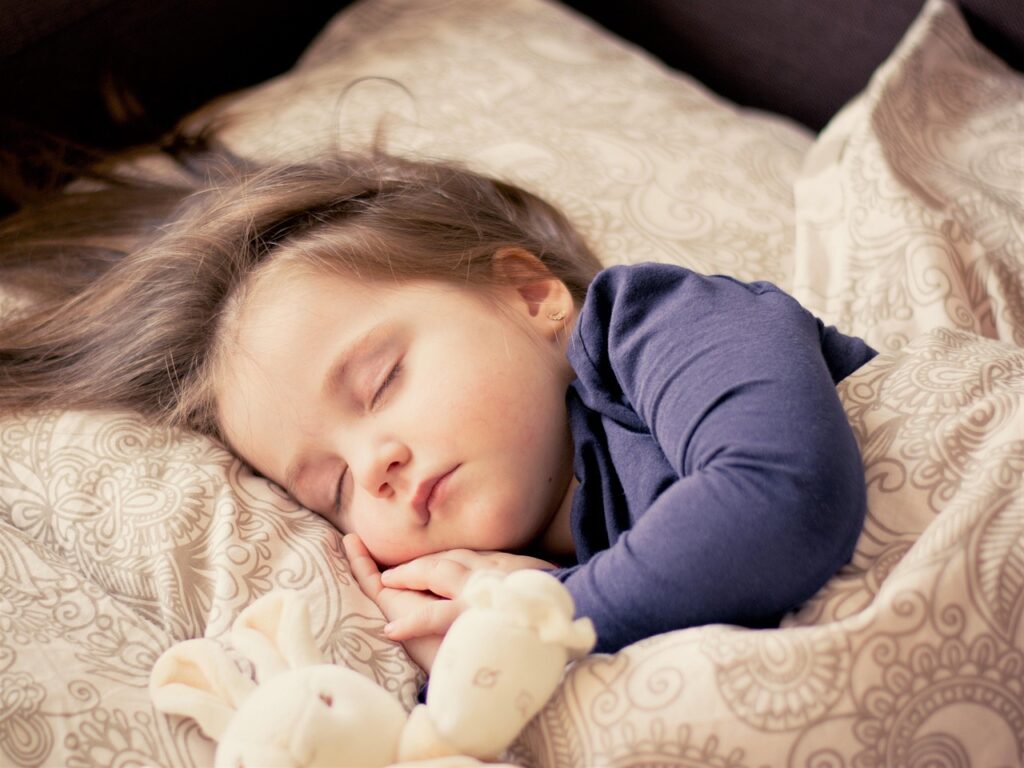
Parents, too, are picking up on the shift. Morning routines become less chaotic. Dinner time feels a little more connected. Simple breathing exercises or mindful pauses before bed help children wind down without screen time battles. No fancy equipment or subscriptions just a few minutes of intentional quiet.
What’s powerful here is how accessible mindfulness is. You don’t need a yoga mat or a meditation app. Just a mindful story before class, a breathing bubble drawn on the board, or a moment of silence before dinner. It’s low tech, low friction, and high impact. And when families and teachers work together, kids carry those habits from one environment to the other bridging school and home with calm, focus, and presence.
Laying the Groundwork for Lifelong Wellness
Mindfulness in early childhood isn’t just a nice to have it’s a foundation. When young kids learn to check in with their bodies and feelings, they build reflexes that help them handle stress later. Simple habits like pausing to breathe or naming an emotion lay down coping patterns they’ll carry for life.
Self awareness doesn’t have to be heavy. It’s often woven through things kids already love stories, play, music. Done right, mindfulness routines encourage a curious, compassionate mindset before habits of judgment or shame set in. That’s a big deal.
And the benefits go deeper when mindfulness links up with social play. Kids build resilience not just by calming down solo, but by connecting and navigating group dynamics. It’s how they practice empathy in real time. For more on why this matters, explore play and emotional growth.
 Sarah Ainslie is an experienced article writer who has played a crucial role in the development of Toddler Health Roll. With a passion for child health and wellness, Sarah's writing offers parents insightful and actionable advice on nurturing their toddlers. Her articles are well-researched and thoughtfully crafted, providing practical tips on everything from nutrition to emotional well-being, making her contributions invaluable to the platform.
Sarah's dedication goes beyond just writing; she has been instrumental in shaping the content and direction of Toddler Health Roll, ensuring that it meets the needs of parents seeking reliable guidance. Her work has helped establish the platform as a trusted resource for families, offering comprehensive support for raising happy, healthy toddlers.
Sarah Ainslie is an experienced article writer who has played a crucial role in the development of Toddler Health Roll. With a passion for child health and wellness, Sarah's writing offers parents insightful and actionable advice on nurturing their toddlers. Her articles are well-researched and thoughtfully crafted, providing practical tips on everything from nutrition to emotional well-being, making her contributions invaluable to the platform.
Sarah's dedication goes beyond just writing; she has been instrumental in shaping the content and direction of Toddler Health Roll, ensuring that it meets the needs of parents seeking reliable guidance. Her work has helped establish the platform as a trusted resource for families, offering comprehensive support for raising happy, healthy toddlers.