What “Enough Food” Really Looks Like for Toddlers
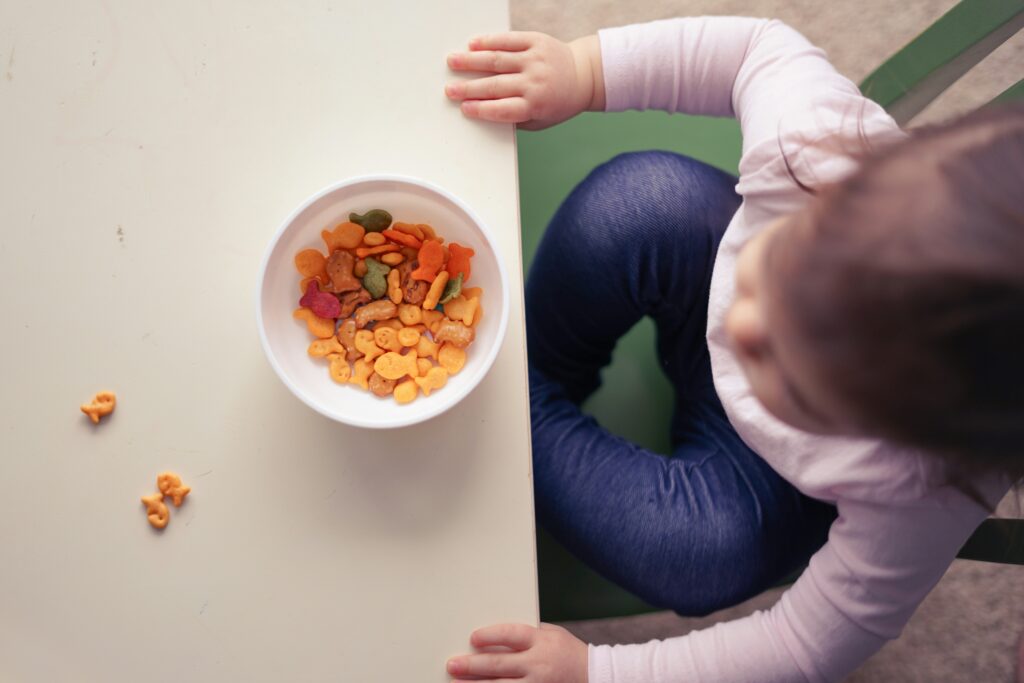
Toddlers aren’t just smaller versions of adults they have totally different eating needs. Their bodies are growing fast, but their stomachs are still tiny. Parents often overestimate how much a toddler should eat, expecting toddler plates to look more like mini adult meals. In truth, toddler portions are supposed to be small because that’s all their bodies actually need.
A common rule of thumb: one tablespoon of each food per year of age, per meal. So a two year old might only need two tablespoons of carrots, two tablespoons of rice, and two tablespoons of chicken. It may feel light, but it’s usually enough.
Knowing the difference between portion recommendations and actual hunger cues matters. Toddlers are naturally good at regulating their intake some days they’ll eat like a bird, others like a bottomless pit. Let them lead when possible. Forcing extra bites on a “low appetite” day can backfire.
As for targets, daily intake varies by age and activity level but generally, toddlers need between 1,000 to 1,400 calories a day. That should come from a balance of food groups: fruits, veggies, grains, protein, and healthy fats. Milk or dairy alternatives round out the mix usually 2 2.5 servings per day. That’s it. No need to obsess, just aim for balance and offer variety without pressure.
Key Nutrients Toddlers Absolutely Need
Growing toddlers have unique nutritional needs to support their rapid physical and cognitive development. Understanding which nutrients matter most and how to include them in everyday meals can help ensure your child is thriving.
Protein: Building Blocks for Growth
Protein is essential for muscle development, tissue repair, and enzyme production. Since toddlers are in a rapid stage of growth, they need consistent sources of high quality protein.
Found in: eggs, poultry, fish, beans, tofu, and plain yogurt
Best served in soft, chewable portions for young children
Aim for 2 3 small servings throughout the day
Iron: Brain Development and Energy Support
Iron helps transport oxygen through the blood and plays a major role in brain development. Toddlers need iron rich foods to prevent fatigue, irritability, and developmental delays.
Found in: lean meats, beans, lentils, spinach, fortified cereals
Pair with vitamin C rich foods (like oranges or bell peppers) to boost absorption
Watch for signs of low iron, such as pale skin or low energy
Healthy Fats: Fuel for the Brain
Fats are not the enemy they’re building blocks for brain health in early childhood. Toddlers rely heavily on fats for sustained energy and cognitive development.
Found in: avocados, nut butters (served thinly), olive oil, fatty fish, full fat dairy
Offer a mix of plant and animal based fats daily
Avoid trans fats and limit highly processed snacks
Fiber: Digestion and Regularity
A toddler’s digestive system is still learning to function efficiently. Fiber helps promote bowel regularity and supports gut health.
Found in: fruits (like pears and berries), vegetables, whole grains, legumes
Introduce gradually to avoid bloating or discomfort
Encourage water intake to help fiber do its job
Calcium and Vitamin D: Strong Bones and Teeth
These two nutrients work hand in hand. Calcium builds skeletal structure, while vitamin D helps the body absorb and use that calcium effectively.
Found in: dairy milk, fortified plant milks, cheese, yogurt, leafy greens
Make time for safe outdoor play 15 30 minutes of sunlight helps produce vitamin D
Supplementation may be recommended if dietary intake is low
Why Dairy Still Matters
Dairy products offer an easy and balanced source of protein, calcium, and vitamin D. While not every child tolerates dairy, those who do can benefit from its nutritional profile.
Choose plain, unsweetened options when possible
Watch serving sizes to avoid excess sugar from flavored products
Learn more about how dairy fits into your child’s diet in this guide on dairy in kids’ nutrition
Sample Portion Sizes by Age Group

Serving appropriate portion sizes for toddlers is about more than just meeting nutritional needs it’s also about teaching toddlers how to eat mindfully and independently. Here’s a breakdown of what common serving sizes look like for little ones, based on both practical visuals and expert recommendations.
Fruits and Vegetables
Toddlers don’t need large amounts of fruits and vegetables to meet their daily needs what they need is variety and consistency.
Serving guideline: 1 tablespoon per year of age (per meal)
Focus on color: Offer a wide range of colors and textures across the week
Examples:
2 tablespoons of cooked carrots for a two year old
3 tablespoons of mashed banana for a three year old
Protein Foods
Protein supports growth, energy, and healthy development. Portioning can be easier when you think in terms of your toddler’s palm size.
Serving guideline: 1 ounce per meal, or about the size of the child’s palm
Best sources: Chicken, turkey, fish, eggs, beans, tofu
Examples:
1 tablespoon of peanut butter
Half a scrambled egg
Grains and Breads
Carbohydrates are a key source of energy but portions should be smaller than adult servings.
Serving guideline: ¼ to ½ of an adult slice of bread
Whole grains preferred: Look for brown rice, whole wheat bread, or oats
Examples:
¼ cup of cooked pasta
Half a slice of whole wheat toast
Fats and Oils
Healthy fats support brain development and should not be skipped, even if portion sizes are small.
Serving guideline: 1 teaspoon of fat (butter, olive oil, nut butter) with meals
Best sources: Avocado, nut butters, full fat yogurt, olive oil
Examples:
Spread of avocado on a cracker
Drizzle of olive oil on steamed veggies
Dairy
Dairy provides essential calcium and vitamin D for growing bones but too much can crowd out other foods.
Serving guideline: 2 3 servings per day (serving = ½ cup milk, ½ cup yogurt, or ½ ounce cheese)
Balance is key: Combine with meals and snacks instead of relying on milk alone
Examples:
½ cup of whole milk with lunch
Small cube of cheese (about the size of a toddler’s thumb)
For a more detailed take on dairy and how to choose the best options for your family, check out our article on smart dairy choices in kids’ nutrition.
Tips for Making Nutrition Work at Home
Feeding a toddler doesn’t need to be a guessing game. One simple guideline that helps parents breathe easier is the “1 tablespoon per year of age” rule. That means a 2 year old needs around 2 tablespoons of each food type per meal give or take depending on appetite. It’s not a limit, more of a baseline. No need to bust out the measuring spoons, either. Think in scoops and scoots, not grams.
It’s easy to overthink treats, but striking a balance is better than cutting them out. Offer sweets now and then, without making them a forbidden treasure. The real key? Making sure the rest of the plate offers solid, nutrient rich choices. Whole grains, fruits, veggies, proteins, and healthy fats should take up most of the real estate.
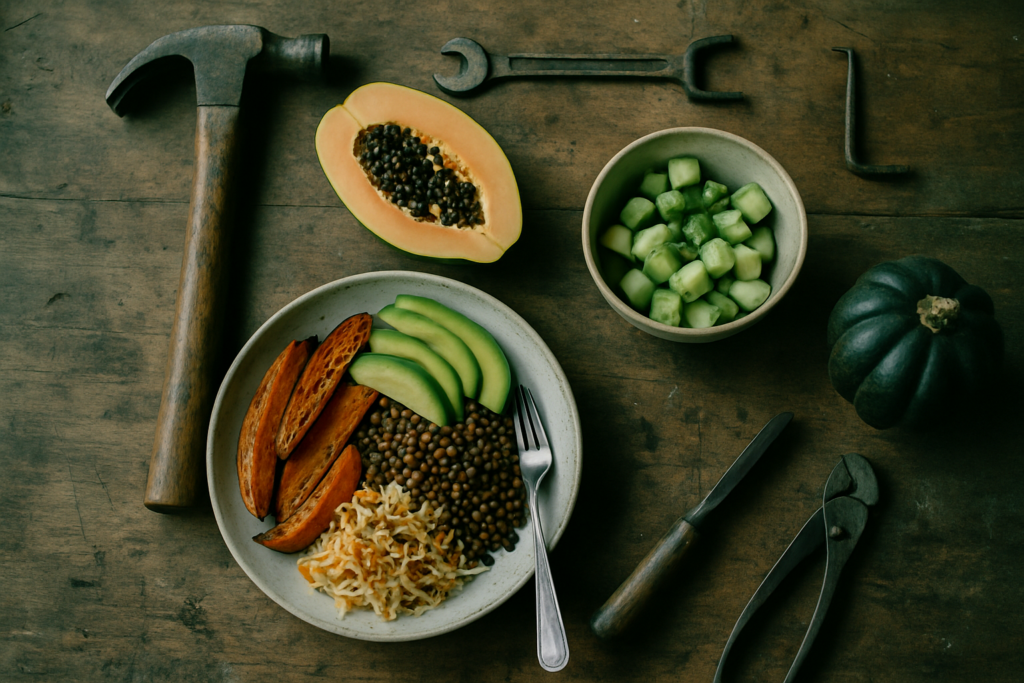
A sample toddler plate might look like this: a few soft carrot sticks, half a slice of whole grain toast, a tablespoon or two of scrambled egg, some avocado cubes, and a small piece of fruit. It’s enough. You’re not feeding an adult in miniature; you’re feeding a growing human with a tiny tank and an evolving palate.
And when they don’t finish? Don’t sweat it. The goal isn’t a clean plate it’s helping them learn to listen to their own hunger cues. Pressuring toddlers to eat more often leads to power struggles and food aversions later. Serve the food, model healthy eating, and let them decide how much. Toddlers are better at regulating intake than they get credit for.
What Matters Most
Feeding toddlers doesn’t have to be a battle of clean plates and perfect portions. At this age, developing healthy habits matters more than hitting every food group at every meal.
Focus on Patterns, Not Perfection
Toddlers eat inconsistently from day to day, and that’s normal. Zoom out and assess their nutrient intake over the course of a week rather than stressing about each meal.
One light lunch doesn’t equal a poor diet
Appetite shifts often coincide with growth spurts, activity, or mood
Look for variety, color, and whole foods across several days
Variety Beats Volume
Serving a wide selection of foods encourages adventurous eating habits and nutrient diversity even if toddlers only taste a bit of each.
Aim for different textures, colors, and food groups
Repeated exposure increases acceptance, even if it takes 10+ times
Small bites of many foods are better than large servings of one
Let Toddlers Lead
Pressure free feeding helps toddlers learn how to self regulate and honor their hunger signals. Trusting them to know when they’re full can lead to better long term eating habits.
Offer appropriate portions, then allow them to decide how much to eat
Avoid bribing or forcing bites this can backfire
Respect “I’m done” just as much as “Can I have more?”
Toddler nutrition is about the big picture. A relaxed approach builds trust, reduces stress, and sets the foundation for a lifelong healthy relationship with food.
 Hazeliin Davidsoninn, the founder of Toddler Health Roll, is an insightful article writer with a passion for children's health and well-being. Her writing reflects a deep understanding of the challenges parents face when raising toddlers, offering practical advice grounded in the latest pediatric research. With a keen eye for detail and a compassionate approach, Hazeliin's articles provide parents with the tools they need to nurture their children's physical, mental, and emotional health.
Beyond her expertise in child health, Hazeliin's writing also delves into the complexities of toddler nutrition, travel with young children, and effective parenting strategies. Her dedication to sharing valuable knowledge with her readers has made Toddler Health Roll a trusted resource for parents seeking guidance on raising happy, healthy toddlers.
Hazeliin Davidsoninn, the founder of Toddler Health Roll, is an insightful article writer with a passion for children's health and well-being. Her writing reflects a deep understanding of the challenges parents face when raising toddlers, offering practical advice grounded in the latest pediatric research. With a keen eye for detail and a compassionate approach, Hazeliin's articles provide parents with the tools they need to nurture their children's physical, mental, and emotional health.
Beyond her expertise in child health, Hazeliin's writing also delves into the complexities of toddler nutrition, travel with young children, and effective parenting strategies. Her dedication to sharing valuable knowledge with her readers has made Toddler Health Roll a trusted resource for parents seeking guidance on raising happy, healthy toddlers.