Start with the Foods They Actually Like
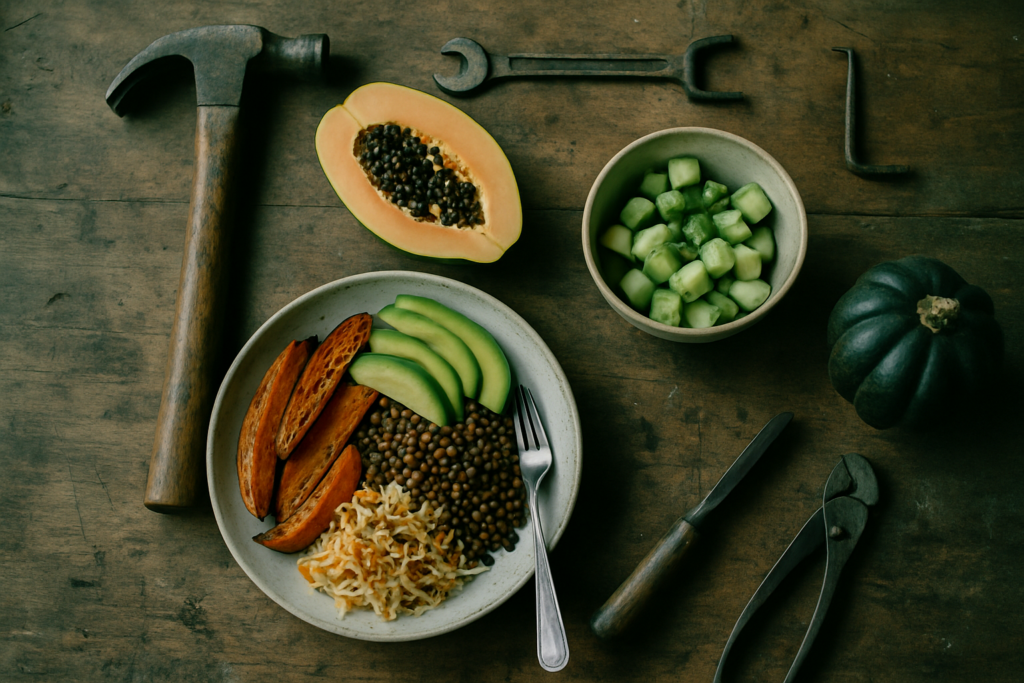
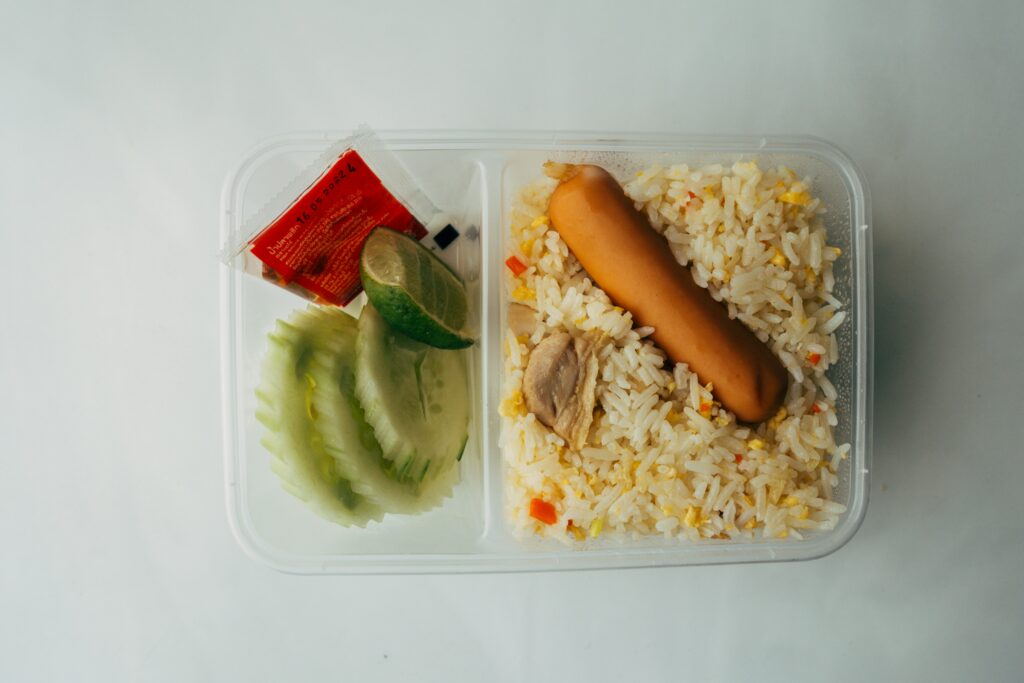
Before you start color coding meal plans or buying bento boxes, take five minutes to ask your kids what they actually like to eat. Don’t assume. Kids change their minds, and preferences evolve. Ask each one to name their top 10 favorite meals yes, even if it’s mac and cheese ten times in a row.
Once you’ve got that list, look for trends. Do they lean toward handhelds like tacos and sliders? Do noodle dishes win every time? Does anything green get pushed aside? Patterns help you build a meal plan that actually works, so you’re not cooking with crossed fingers.
And here’s the kicker: getting their input means they’re more likely to eat what’s on the table. It’s not just “your” dinner; it’s their choice too.
Use this quick exercise to anchor your plan in reality. Every successful meal plan starts with buy in.
Build a Flexible Theme Based Plan
One of the fastest ways to cut meal stress is to stop reinventing the wheel every week. Using daily themes like “Taco Tuesday,” “One Pot Wednesday,” or “Breakfast Fridays” gives structure to both your planning and your grocery list. It’s not just fun it’s efficient.
Kids know what to expect, you know what to prep, and dinners stop feeling like a pop quiz. These themes don’t have to be rigid, either. Within “Pasta Night,” you can rotate between spaghetti, mac and cheese, or a creamy veggie penne. The point is to narrow the options without boxing you in.
For extra variety, build a two week rotation. That way, you don’t get stuck in a rut, but everyone still benefits from the predictable rhythm. Planning gets faster. Shopping gets easier. And honestly, dinner gets less annoying.
Themes = fewer decisions, less mental drain, and more moments where everyone eats without arguing.
Measure Nourishment, Not Perfection
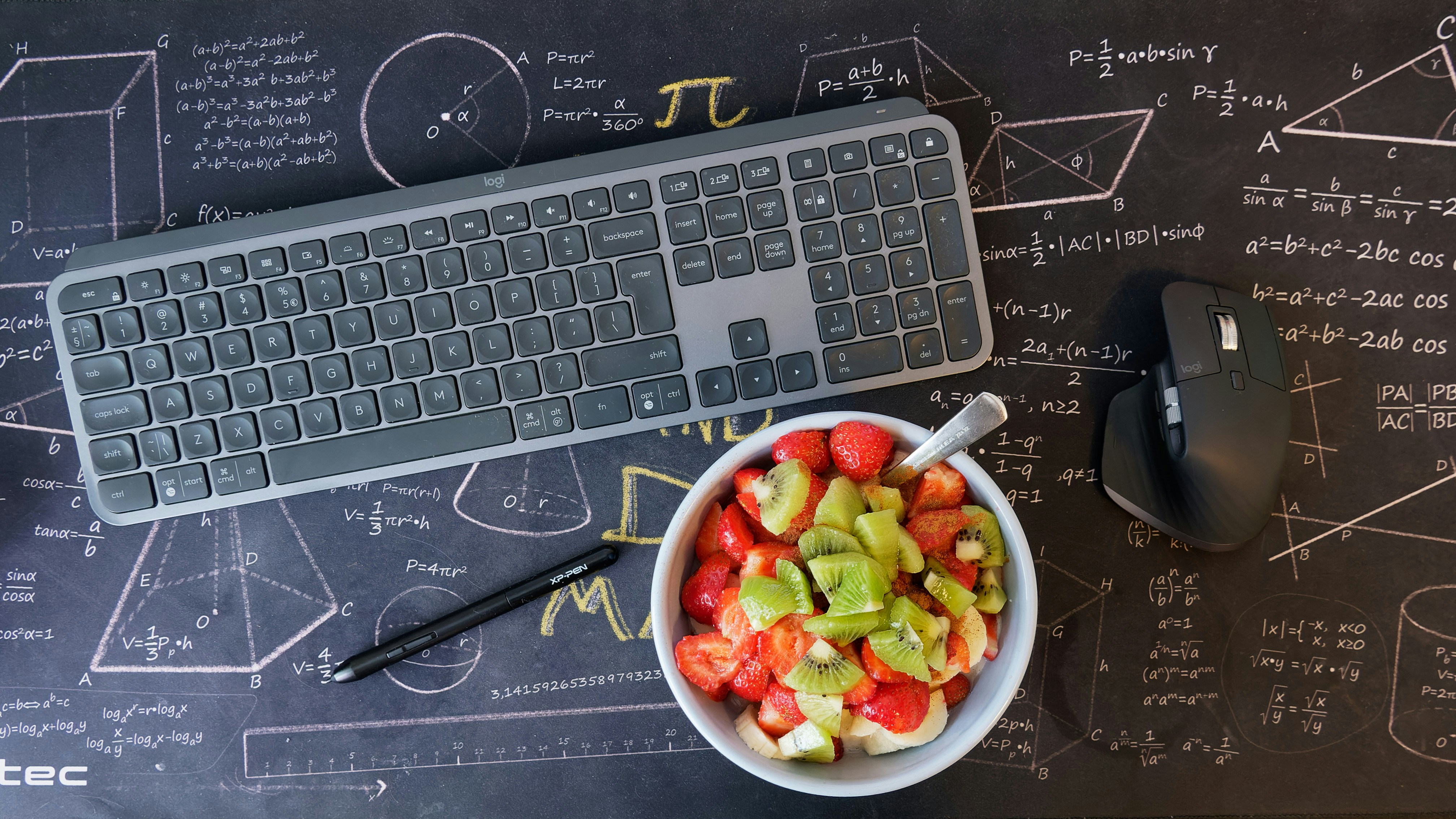
Feeding kids isn’t about nailing perfect macros it’s about hitting a reasonable balance over the week. Start with the basics: make sure there’s a source of protein, a colorful fruit or veggie, and a fiber rich carb at most meals. Think grilled chicken with roasted sweet potatoes and apple slices. Or whole grain pasta with marinara and a handful of broccoli thrown in. No need to overthink it.
To sneak in more nutrients without a fight, get creative. Blend spinach or chia seeds into smoothies. Stir lentil puree into spaghetti sauce. Add some oats or shredded zucchini to muffins. If it’s hidden and tasty, they won’t complain.
And don’t forget hydration it’s an underrated part of the plan. Water should be the default, but if that won’t fly, try low sugar fizz, herbal teas, or add frozen fruit to a water bottle. Staying hydrated helps focus, digestion, and mood. Small tweaks, big payoff.
Involve the Kids (Without Slowing Down Dinner)
Getting kids to help in the kitchen doesn’t mean handing over the chef’s knife. It’s about smart involvement. Start by offering choices, not a blank slate. Let them pick between two parent approved veggies or decide if they want apples or grapes packed for lunch. It keeps the control in your hands, but makes them feel heard.
Next, give them tasks that match their age and energy level. Little ones can stir, load toppings, or build their own wraps. Older kids might be ready to help slice soft foods or portion out snacks. These jobs are quick, safe, and keep small hands busy while you tackle the main dish.
When kids have a hand in what’s being made even just a small one they’re more likely to eat it. Ownership builds curiosity, and curiosity usually beats picky. Dinner becomes less of a battle, and more of a win win.
Prep Ahead, But Not All Day Sunday
Busy schedules and picky eaters don’t mix well, which is why prepping ahead even just a little can make your week feel more manageable. But this isn’t about spending all of Sunday in the kitchen. The goal is to set yourself up for success with a few smart shortcuts.
Focus on Core Ingredients
Instead of full meals, prep a few versatile building blocks you can mix and match during the week:
Batch cook 1 2 complete meals that reheat well (like pasta bake or veggie stir fry)
Cook base items in bulk, such as:
Grains like rice or quinoa
Proteins like grilled chicken, ground turkey, or beans
Roasted or steamed vegetables
Quick Grab Fridge Staples
Stock your fridge with ready to eat, kid friendly options that let you assemble meals in minutes:
Pre slice fruits like apples, melons, or oranges (store them in airtight containers)
Boil a batch of eggs for fast breakfasts or protein packed snacks
Portion out snacks like crackers, cheese cubes, or trail mix
Keep It Especially Simple on Weekdays
Save creativity for dinners breakfasts and lunches should feel effortless.
Have go to options like yogurt and fruit, toast with peanut butter, or breakfast muffins
Reuse leftovers creatively in wraps, quesadillas, or bento style lunch boxes
Stick to 2 3 favorite lunch ideas to rotate through the week
A little prep goes a long way especially when it helps you avoid last minute stress and makes healthy meals easier to serve.
Keep a Running List of “Wins”
Don’t guess what meals worked track them. Whether it’s a whiteboard on the fridge or a quick note in your phone, writing down the meals your kids actually ate (and liked) is a time saver long term. This isn’t about what they said they liked, either. Pay attention to what disappeared off the plate and what came back untouched.
Maybe they’re into build your own burritos. Maybe it’s always pasta with frozen peas. Either way, those wins matter. Over time, you’ll spot patterns foods they consistently enjoy, textures they go for, ingredients that just click. Use that intel. When it’s time to map out next week’s plan, your core favorites become plug and play meals. Fast, reliable, low stress.
Keep it simple. Keep it real. And keep track.
Check out our award winning meal planning tips for busy parents. No fluff, no guilt just practical strategies and kid tested recipes that work in real life. From stress free dinners to snack hacks, these tips keep your meals balanced and your time protected. It’s the shortcut to healthier eating without extra effort.
 Cynthian Holleyori is a skilled article writer who has been integral to the development of Toddler Health Roll. Her deep understanding of child health and development is evident in her well-researched and practical articles, which provide parents with essential guidance on raising healthy toddlers. Cynthian's contributions have significantly shaped the platform, ensuring that it addresses the most pressing concerns of parents and caregivers.
Beyond her expertise in toddler health and nutrition, Cynthian also delves into the mental and emotional well-being of young children. She offers valuable parenting strategies that help families foster a nurturing and supportive environment for their toddlers. Her dedication to building Toddler Health Roll has made it a trusted and comprehensive resource for parents committed to their children's growth and happiness.
Cynthian Holleyori is a skilled article writer who has been integral to the development of Toddler Health Roll. Her deep understanding of child health and development is evident in her well-researched and practical articles, which provide parents with essential guidance on raising healthy toddlers. Cynthian's contributions have significantly shaped the platform, ensuring that it addresses the most pressing concerns of parents and caregivers.
Beyond her expertise in toddler health and nutrition, Cynthian also delves into the mental and emotional well-being of young children. She offers valuable parenting strategies that help families foster a nurturing and supportive environment for their toddlers. Her dedication to building Toddler Health Roll has made it a trusted and comprehensive resource for parents committed to their children's growth and happiness.